Executive Summary
ICT4D applies digital tools, mobile applications, and spatial data systems to solve socio-economic challenges in health, education, and rural development.
Defining ICT4D Beyond Commercial Technology
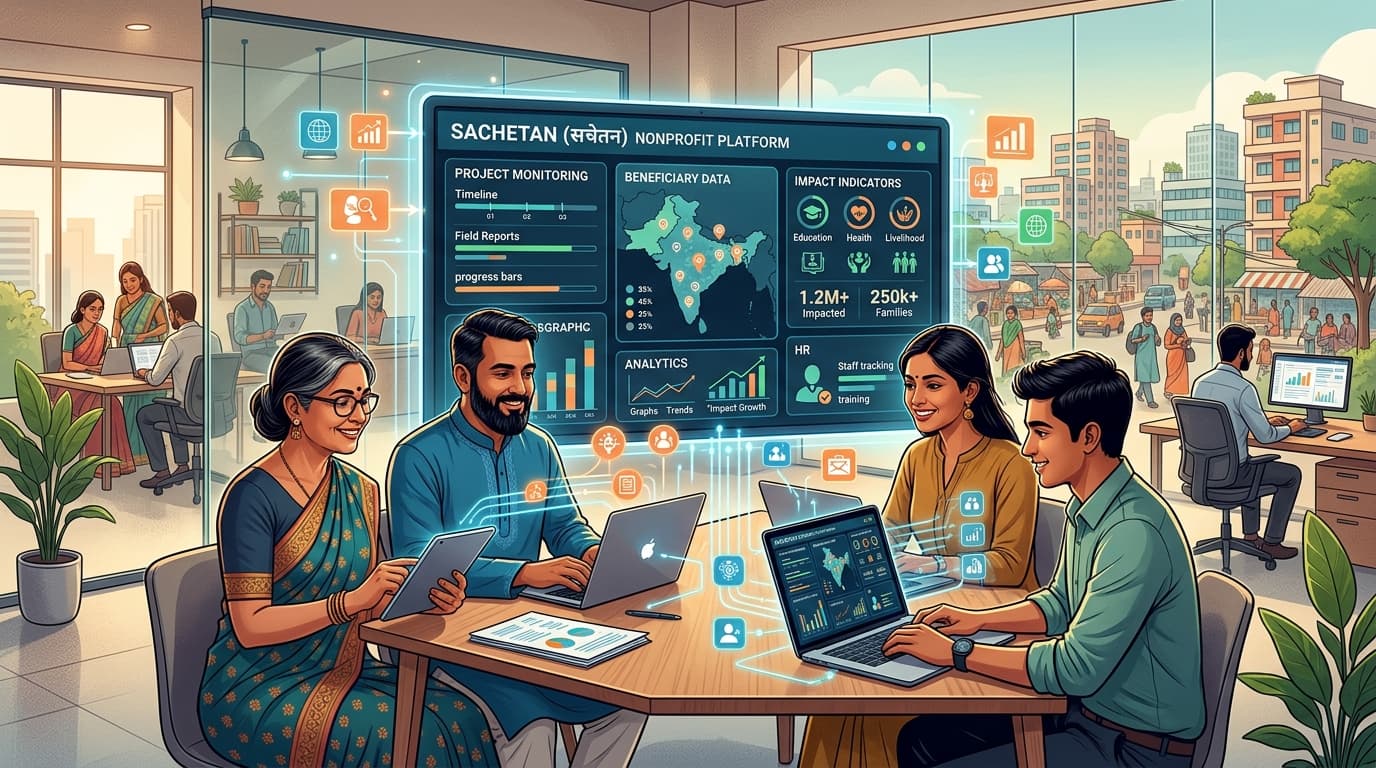
Information and Communication Technologies for Development (ICT4D) refers to the strategic application of digital tools, mobile software, hardware, and data platforms to address socio-economic challenges in developing nations and underserved communities.
Human-Centered Design for Challenging Environments
Effective ICT4D initiatives adhere to human-centered design principles. In many development environments—such as rural agricultural communities or remote coastal health clinics—connectivity may be intermittent, power supplies unstable, and end-user digital literacy varying. Software built for these environments must incorporate offline-first synchronization, intuitive multi-lingual interfaces, minimal bandwidth footprints, and accessible user experiences.
Vital Sectoral Applications: Health, Agriculture, Aid
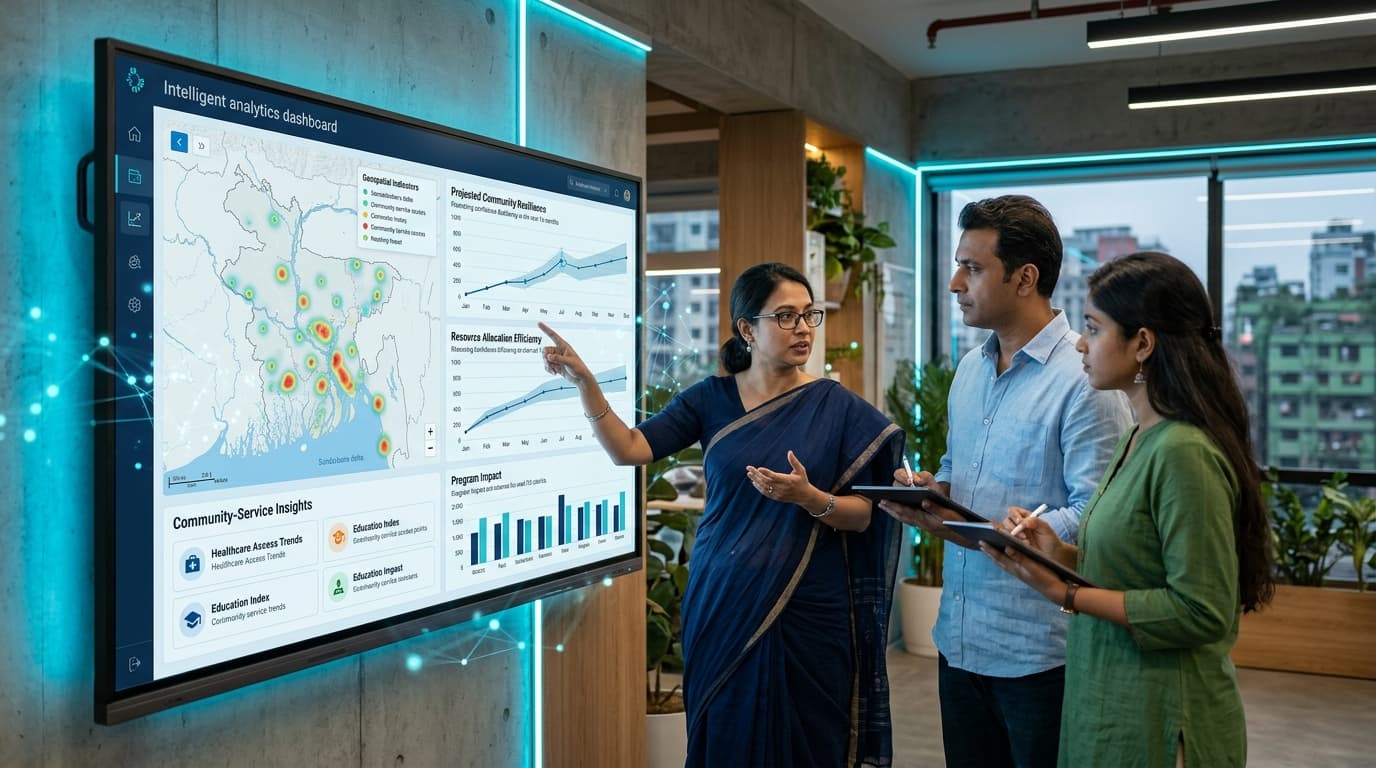
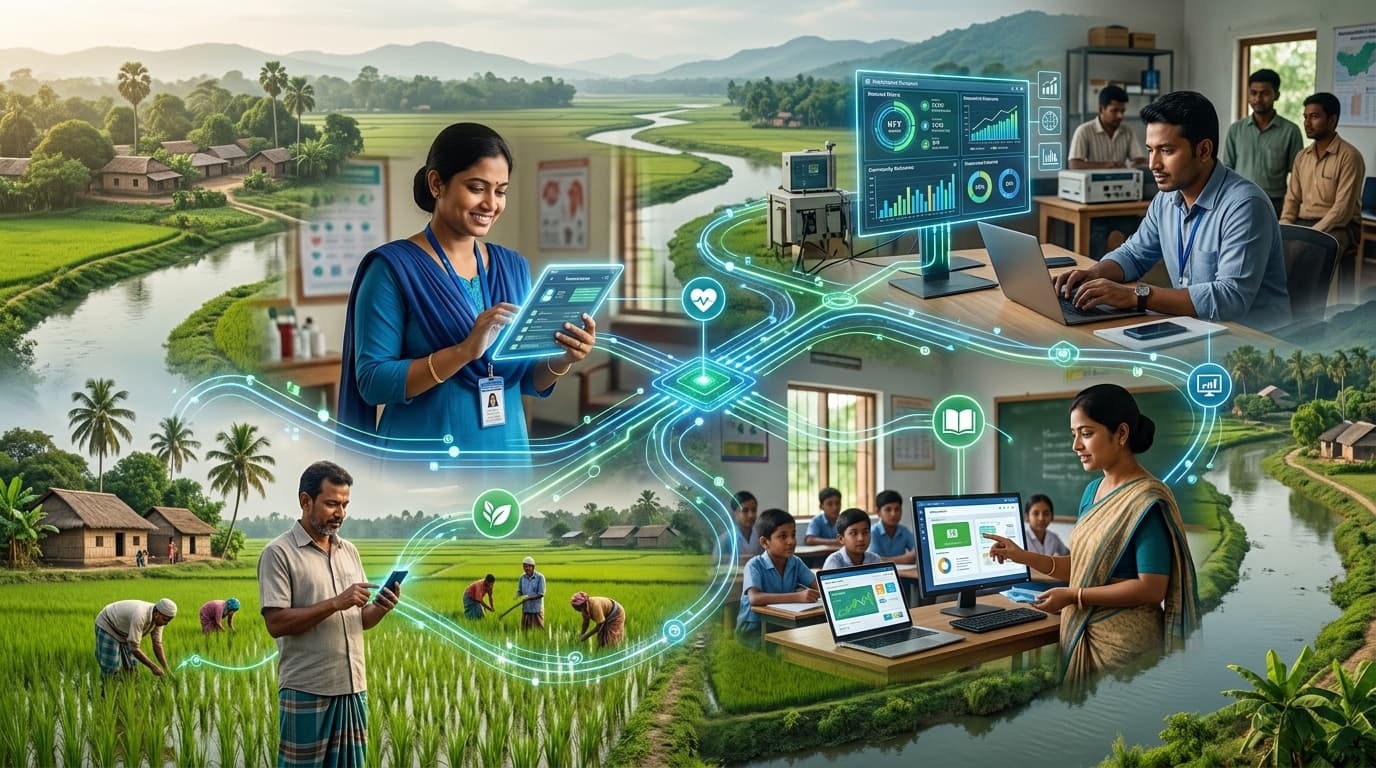
The applications of ICT4D span vital human development sectors: In public health, mobile applications empower community health workers to track maternal health and immunization schedules. In agriculture, digital platforms deliver real-time weather forecasts, market prices, and pest diagnostics to smallholder farmers. In social protection, secure beneficiary registries prevent duplication and ensure emergency aid reaches vulnerable households directly.
The Value Chain: Field Data to Policy Action
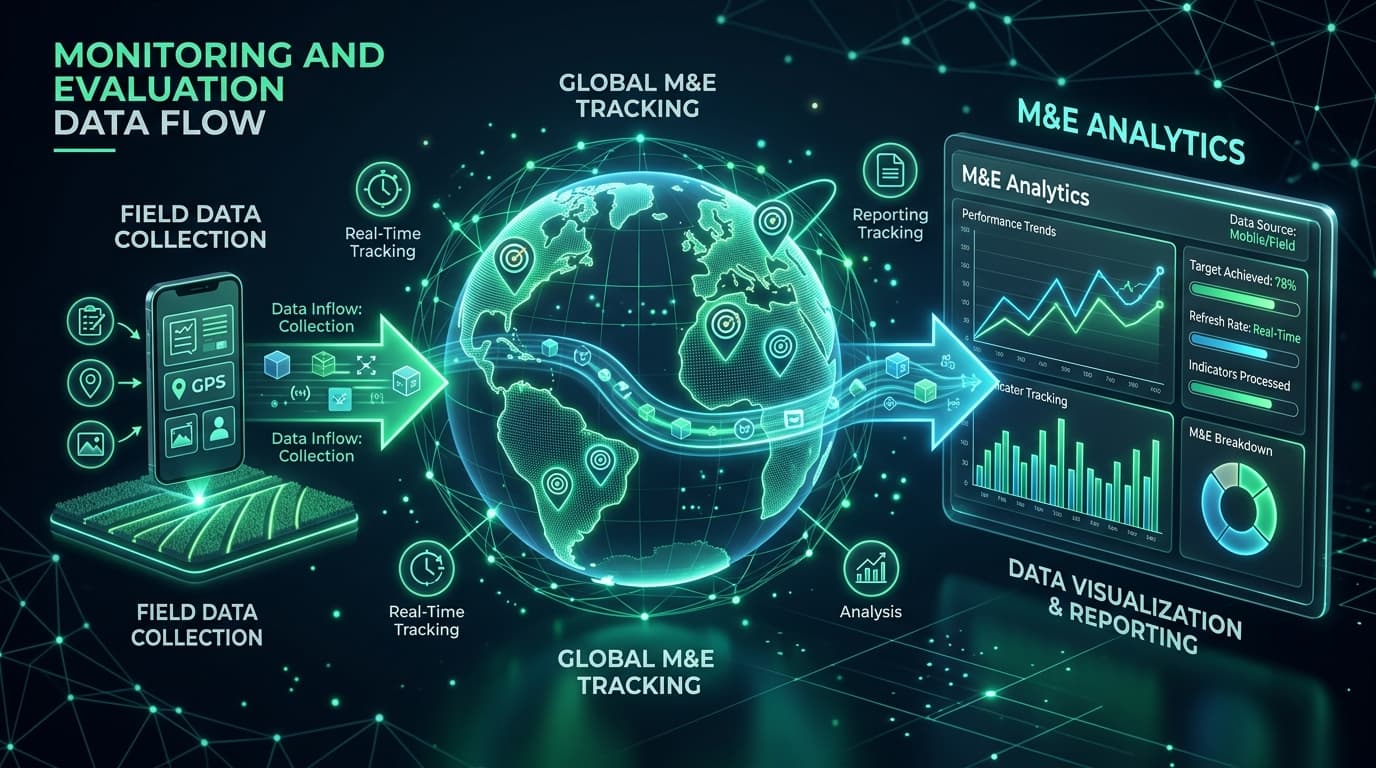
The path from digital tool deployment to sustainable social impact follows a clear value chain: Community Need Identification → Human-Centered Solution Design → Field User Adoption → Real-Time Data Collection → Evidence-Based Decision Making → Improved Public Service Delivery → Measurable Social Impact.
Award-Winning ICT4D Engineering by Circle Technology
Since 2015, Circle Technology has stood at the forefront of ICT4D in Bangladesh and internationally. Recognized with a National ICT Award for ICT4D Innovation in 2019, our team partners with INGOs, government agencies, and multilateral institutions to co-create solutions designed specifically for high-impact field realities.
Key Takeaways for NGO Leadership
- 1ICT4D prioritizes long-term social outcomes over commercial feature complexity
- 2Offline-first sync and localized interfaces are vital for remote field adoption
- 3Data collected at the field level must directly inform executive decision-making
- 4Community co-design ensures digital tools fit grassroots operational contexts
Frequently Asked Questions
How does ICT4D differ from traditional software development?
Traditional software targets commercial profit or internal corporate efficiency, whereas ICT4D focuses on human development outcomes, accessibility, local constraints, and donor sustainability.
What hardware is required for ICT4D field data collection?
Most modern ICT4D platforms run on standard Android tablets or smartphones, utilizing local offline storage until cellular or Wi-Fi connectivity is restored.
Ready to Elevate Your Non-Profit's Digital Capability?
Have an innovative ICT4D initiative for your development program? Explore how Circle Technology can co-design your digital solution.
Discuss Your ICT4D Project